




Grounding, also known as earthing, is a simple yet powerful practice that reconnects the body with the Earth’s natural electrical energy. At GroundingWell, we focus on science-supported wellness strategies that restore balance, reduce overload, and support long-term health. This article explores 12 lesser-known health benefits of grounding, explained clearly and thoughtfully for everyday life. From cellular repair to emotional stability, grounding offers far more than a moment outdoors; it supports whole-body wellbeing.
Table of Contents
- Key Takeaways
- Understanding Grounding Beyond the Basics
- Twelve Surprising Health Benefits of Grounding
- Practical Ways to Practice Grounding
- Conclusion
- FAQs
Key Takeaways
- Grounding supports natural inflammation balance
- Nervous system regulation improves with consistency
- Sleep quality may improve without medication
- Stress recovery becomes more efficient
- Every day, grounding tools can support modern lifestyles
Understanding Grounding Beyond the Basics
Grounding refers to direct physical contact with the Earth’s surface or indirect connection through conductive systems. Research suggests that the Earth carries a subtle negative charge, which may help neutralize excess positive charge in the body caused by stress, pollution, and electronic exposure.
This natural interaction influences multiple physiological systems, extending beyond relaxation or mood support.
Twelve Surprising Health Benefits of Grounding
Grounding offers a natural way to support physical and mental balance by reconnecting the body with the Earth’s electrical energy. Research suggests this practice may influence inflammation, sleep patterns, stress response, and overall physiological regulation. These benefits help explain why grounding continues to gain attention within modern wellness discussions.
1. Reduced Inflammatory Response
Chronic inflammation is linked to joint discomfort, cardiovascular strain, and metabolic imbalance. Grounding has been associated with reduced inflammatory activity by stabilizing free radicals and supporting the body’s natural immune regulation processes. This effect may help promote better recovery and overall physical comfort over time.
2. Improved Sleep Rhythm Alignment
Sleep disruption often stems from nervous system imbalance and irregular cortisol levels. Grounding may support circadian rhythm regulation by calming electrical activity within the body, which can encourage deeper and more consistent sleep patterns. Improved sleep alignment supports both physical recovery and cognitive performance.
3. Nervous System Stabilization
Grounding may assist in shifting the body from a heightened stress response into a more regulated state. This transition supports clearer thinking, steadier heart rate, and improved emotional control. Over time, nervous system stabilization may enhance resilience to daily stressors.
4. Support for Cardiovascular Health
Blood viscosity and circulation efficiency are important indicators of cardiovascular function. Preliminary research suggests grounding may support healthier blood flow by influencing red blood cell behavior. Improved circulation supports oxygen delivery and overall cardiovascular stability.
5. Reduced Muscle Tension and Recovery Time
Muscle fatigue often involves electrical signaling as well as mechanical strain. Grounding may help normalize muscle communication, which can reduce lingering tension and support faster recovery following physical activity. This benefit may be especially relevant after prolonged exertion or repetitive movement.
6. Improved Mood Stability
Emotional fluctuations frequently follow nervous system strain and prolonged stress exposure. Grounding supports calm focus and emotional steadiness by encouraging parasympathetic nervous system activity. Consistent practice may contribute to improved emotional balance and mental clarity.
7. Enhanced Immune Regulation
Effective immune response relies on balanced cellular signaling and reduced chronic stress. Grounding may support immune modulation by lowering oxidative stress and improving communication between immune cells. This regulation supports overall immune system efficiency.
8. Reduced Cortisol Levels
Excess cortisol can negatively affect sleep quality, digestion, and emotional balance. Grounding has been linked with more stable cortisol rhythms, particularly when practiced regularly. Balanced cortisol levels support a healthier stress response and long-term well-being.
9. Improved Focus and Cognitive Clarity
Electrical imbalance may contribute to mental fatigue and difficulty concentrating. Grounding supports neurological calm, which may enhance focus, memory retention, and overall cognitive clarity. Improved mental regulation can support productivity and decision-making.
10. Support for Pain Perception Management
Pain perception involves inflammation, nerve signaling, and emotional processing. Grounding may help moderate pain sensitivity by supporting nervous system balance and reducing stress-related amplification of discomfort. This effect may contribute to improved daily comfort.
11. Enhanced Energy Regulation
Energy depletion is often associated with chronic stress rather than physical exertion alone. Grounding supports efficient energy regulation by stabilizing physiological signaling and reducing unnecessary nervous system activation. This may promote more consistent energy levels throughout the day.
12. Better Stress Adaptation Over Time
Grounding does not eliminate stress but supports faster recovery following exposure to stressors. Over time, this improved recovery may enhance emotional regulation, resilience, and overall stress tolerance.
Practical Ways to Practice Grounding
- Walking barefoot on natural surfaces such as grass, sand, or soil, allowing direct contact between the skin and the Earth, may help support electrical balance and natural physiological regulation.
- Sitting or standing on natural ground with direct skin contact, such as resting feet or hands on soil or sand, to encourage consistent grounding without physical exertion.
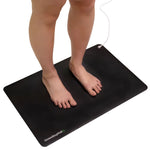
- Using grounding mats or grounding sheets indoors when outdoor access is limited provides a practical alternative that may help simulate an Earth connection within modern indoor environments.
- Practicing grounding during sleep to support overnight recovery, which may assist in maintaining nervous system regulation and promoting more restorative rest throughout the night.
Conclusion
Grounding is not a trend or shortcut. It is a foundational wellness practice rooted in human biology and environmental connection. When practiced consistently, grounding supports balance across physical, emotional, and neurological systems. At GroundingWell, we guide individuals toward evidence-informed grounding solutions that fit modern lifestyles. For personalized support, practical tools, or expert guidance, connect with us and begin restoring balance from the ground up.
FAQs
What is grounding in simple terms?
Grounding refers to direct or indirect physical contact with the Earth’s natural electrical energy, which may help support physiological balance within the body.
Is grounding supported by science?
Several peer-reviewed studies indicate that grounding may influence inflammation levels, sleep quality, and nervous system regulation.
How long should grounding be practiced daily?
Research commonly references a duration of 20 to 40 minutes per day, although individual responses may differ.
Can grounding help with sleep problems?
Grounding has been associated with improved sleep quality by supporting cortisol regulation and calming nervous system activity.
Is indoor grounding effective?
Indoor grounding products may help replicate an Earth connection when outdoor grounding is not accessible.
Is grounding safe for daily use?
Grounding is generally considered safe for regular wellness practices when used appropriately.


